
The Walk Exposes the Gaps
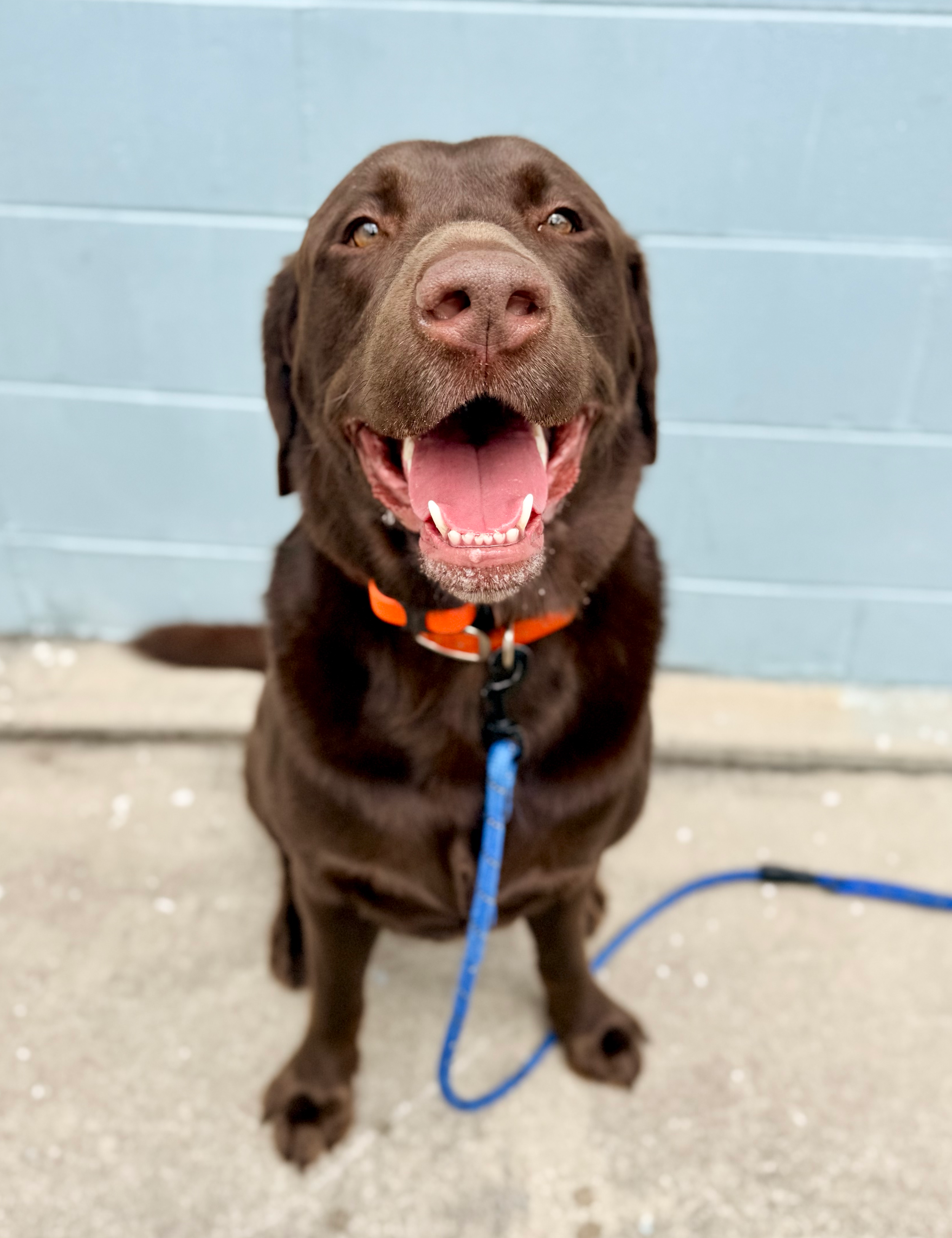
Most people think reactivity is a “walking problem.”
The lunging.
The barking.
The inability to pass another dog without chaos.
So naturally, that’s where all the focus goes—
Correcting the explosion, managing the trigger, avoiding the situation altogether.
But the walk isn’t where the problem is created.
The walk is where it’s revealed.
Because reactivity doesn’t live in a single moment.
It’s not something that suddenly appears when your dog sees another dog or person.
It’s the outward expression of a pattern that’s been building all day… every day.
Reactivity Is a Lifestyle Pattern
A dog that struggles with reactivity is often living a life with very little clarity, structure, or accountability outside of those high-stimulation moments.
They move freely without direction.
They claim space without invitation.
They seek attention and get it on demand.
They make decisions—and no one interrupts them.
So when something stimulating shows up on a walk, they don’t suddenly think,
“Let me check in with my human.”
Why would they?
That relationship hasn’t been practiced.
Instead, they fall back on what they know—
Impulse, emotion, reaction.
Why Correcting the Explosion Isn’t Enough
Yes, accountability matters.
There should absolutely be a clear interruption when your dog explodes.
There should be a consequence that makes the behavior not worth repeating.
But if the only time your dog experiences structure is in the presence of a trigger,
you’re trying to override a full-day lifestyle with a few seconds of correction.
And that will never hold.
Because behavior isn’t shaped in isolated moments.
It’s shaped through repetition, consistency, and lived experience.
Your dog isn’t just learning during training sessions.
They’re learning from how you live together.
The Real Work Happens Outside the Trigger
The dogs that begin to regulate themselves on walks…
that can move past distractions without spiraling…
that look to their owner instead of reacting—
Those dogs are not just “better trained.”
They’re living differently.
Meals are given—not taken.
Doorways are paused—not rushed.
Freedom is earned—not assumed.
Commands are held—not negotiated.
Affection and play aren’t constant—they’re intentional.
Everything flows through the human.
Not in a rigid or robotic way—but in a clear, consistent, and believable way.
Because that’s what builds trust.
That’s what builds guidance.
That’s what creates a dog that wants to follow.
The Walk Is Just the Mirror
When you step outside, your dog shows you exactly what exists within your day-to-day life together.
Not what you intend.
Not what you sometimes enforce.
But what you consistently allow.
The pulling…
The fixation…
The explosion…
It’s all feedback.
Not failure.
Feedback that your dog has been practicing independence, impulse, and self-direction—
and simply doesn’t see you as the one to follow when it matters most.
Reactivity Isn’t Fixed. It’s Outgrown.
You don’t fix reactivity by managing it harder in the moment.
You outgrow it by changing the lifestyle that created it.
By becoming more consistent.
More clear.
More accountable.
More believable.
By showing your dog, over and over again, that guidance comes from you—
not from their impulses.
Because the goal isn’t to suppress behavior.
It’s to shift the dog out of reaction…
and into awareness.
Out of self-direction…
and into leadership.
And that doesn’t happen in a single correction on a walk.
It happens in how you live together—
every single day.