

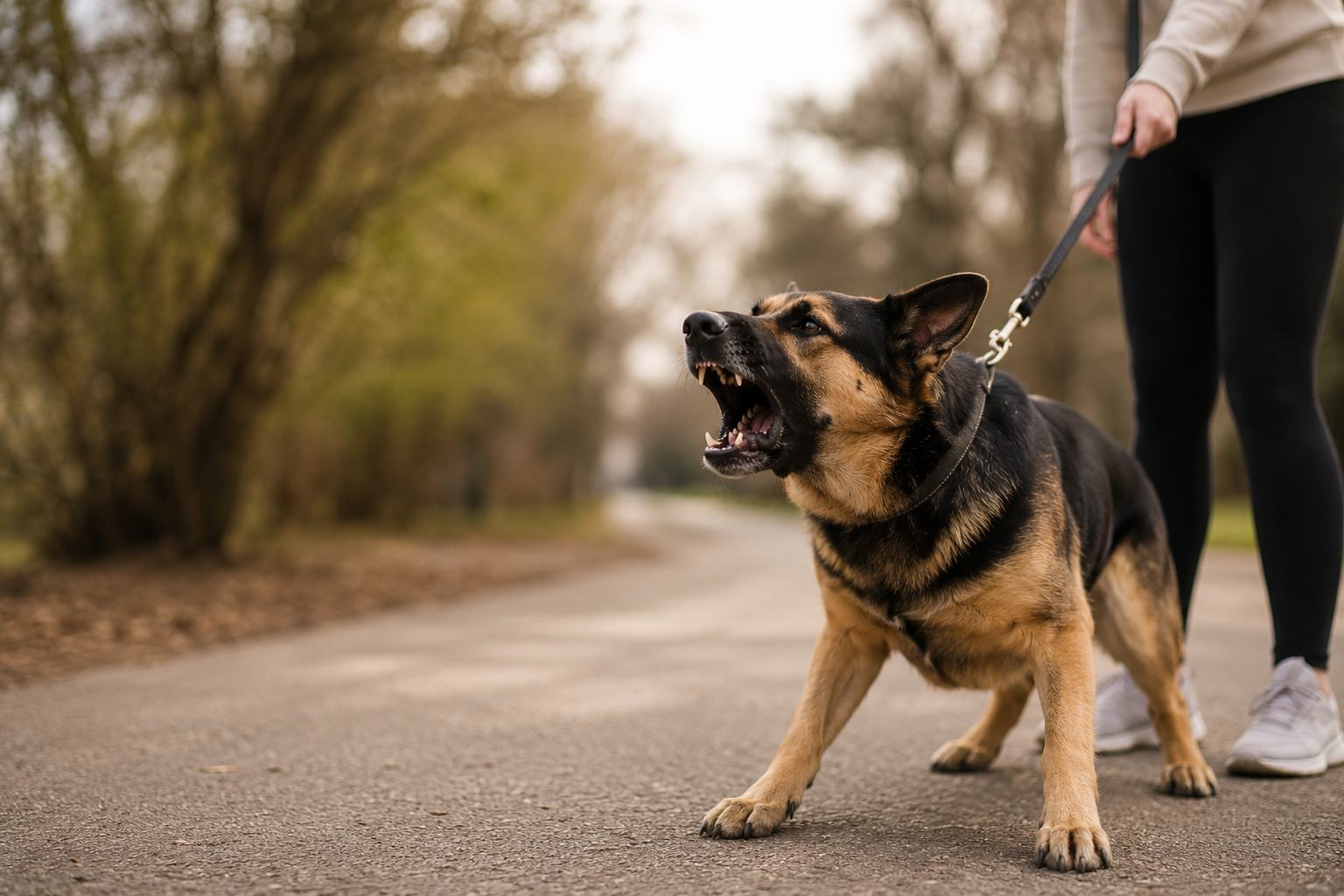
Help! My Dog Is Reactive. Where Do I Start?
Reactive behavior isn’t random. Discover why dogs bark, lunge, and overreact—and how structure, accountability, and emotional regulation can help them find calm.

What Does It Mean When Your Dog Bites to Make You Stop?
A bite rarely happens out of nowhere.
Whether your dog growls at the veterinarian, snaps when moved off the couch, or puts their mouth on someone during handling, the bite is often the final chapter of a much longer story. In this article, we explore the four most common reasons dogs use their mouths to make people stop, what those behaviors actually mean, and the lifestyle changes necessary to create lasting change. Understanding the motivation behind the bite is the first step toward preventing the next one.
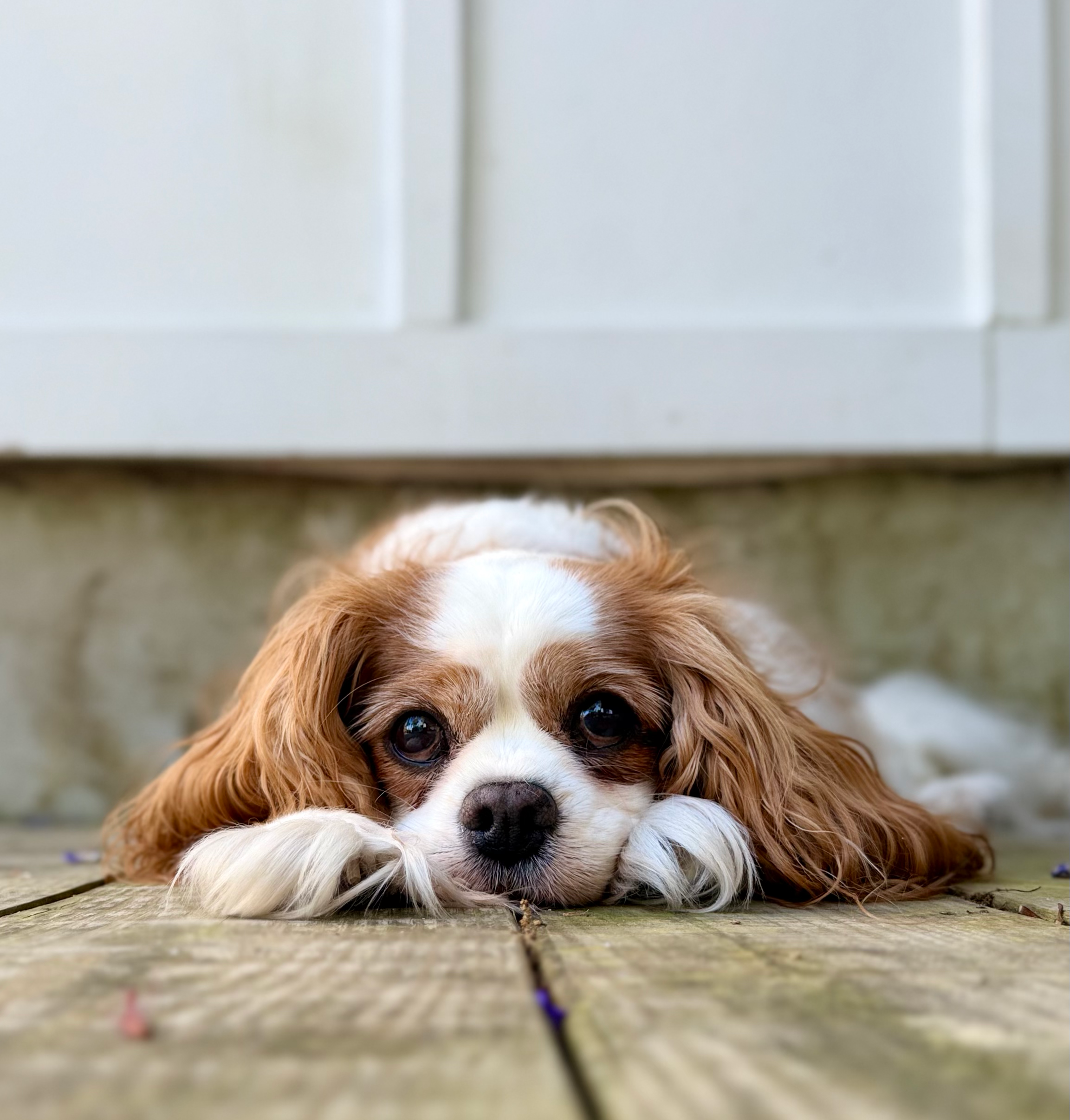
Not Every Dog Is Meant for the Farmer’s Market
Not every dog is built for crowded, high-stimulation environments—and that’s not a training failure. This post breaks down the difference between training and temperament, and how to build a fulfilled life for the dog you actually have.
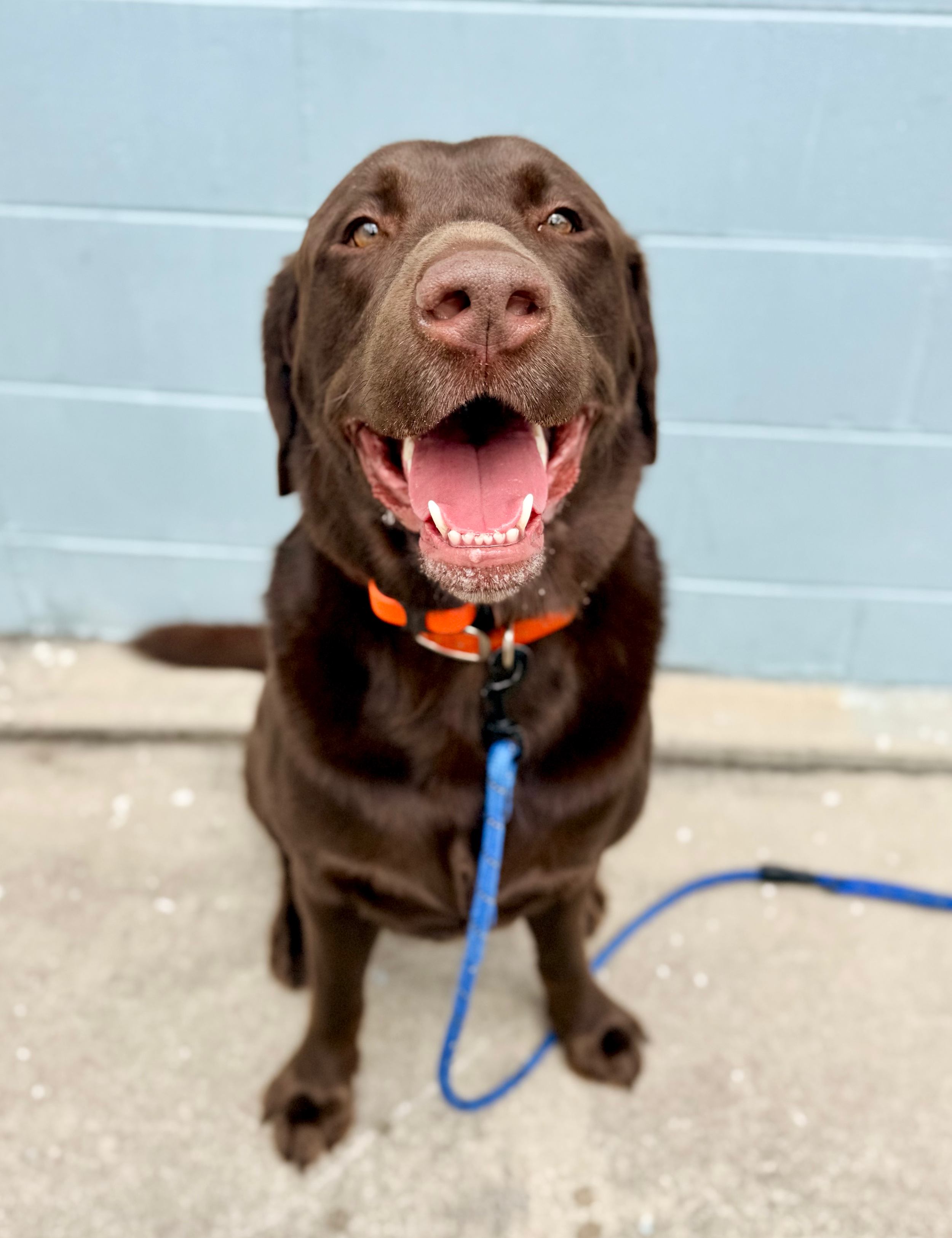
The Walk Exposes the Gaps
Reactivity isn’t created on the walk—it’s revealed there. What looks like a leash problem is actually a lifestyle pattern built in the small, everyday moments most people overlook. If you want real change, it starts at home.
WHY DOGS BECOME REACTIVE (IT’S NOT WHAT YOU THINK)
Reactivity in dogs is often driven by fear or over-arousal, but the real cause goes deeper than the moment of the reaction. Learn why dogs become reactive on leash and how daily structure, accountability, and leadership influence behavior long before the trigger appears.
Selfish or Virtuous?
What feels kind in the moment isn’t always what’s right.
Sometimes leadership looks uncomfortable before it looks like love.
Why You Can’t Fix Reactivity in the Moment
Most leash reactivity isn’t created on the walk—it’s built in the moments leading up to it. When you consistently reinforce calm, permission-based behavior at home, the explosive reactions outside start to fade.