
You’re Not Just Raising A Puppy—You’re Shaping A Nervous System
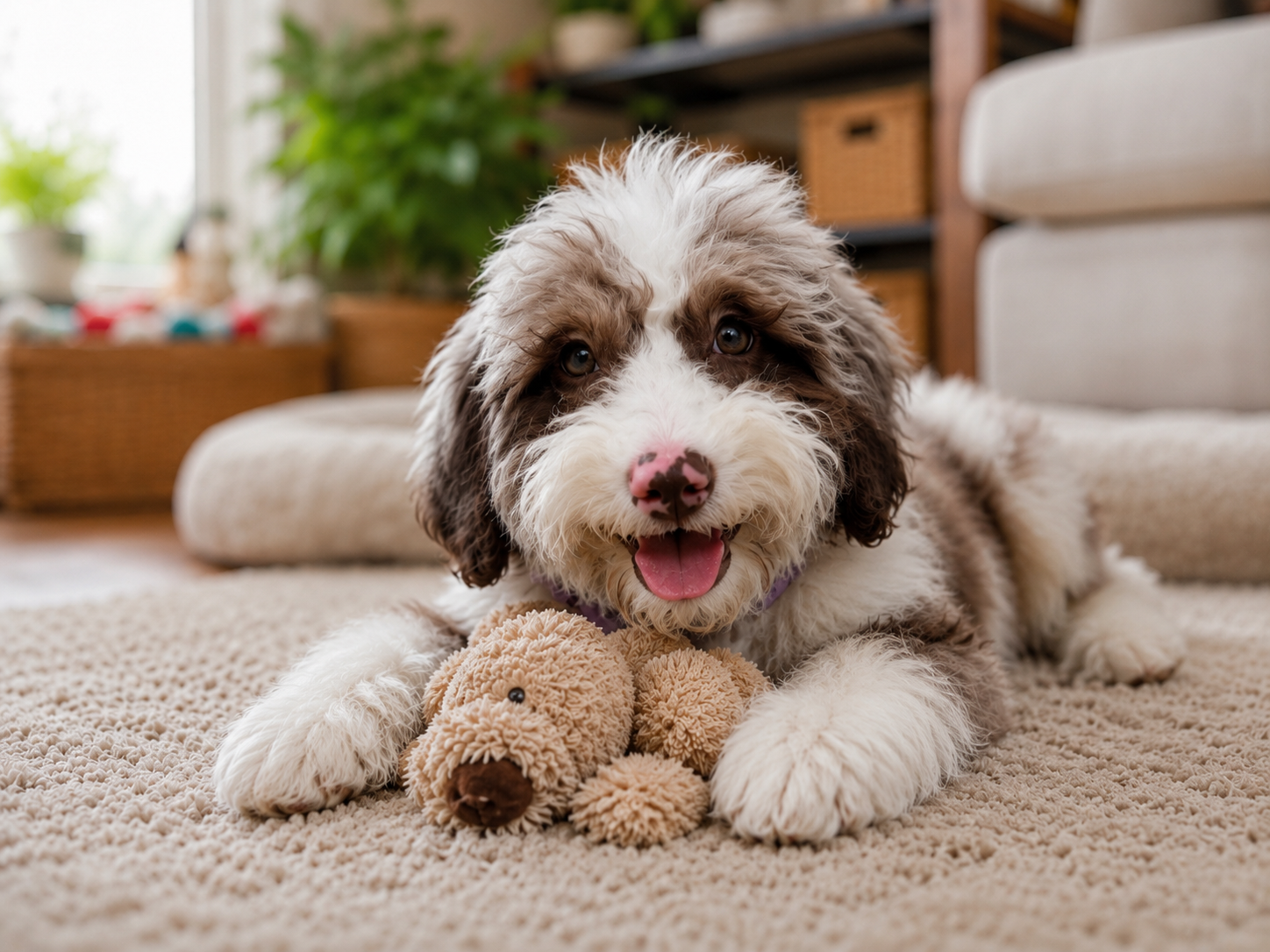
It’s easy to look at an eight-week-old puppy and think you’re simply raising a dog.
Teaching sit.
Working on potty training.
Surviving the biting phase.
Trying to tire them out.
But beneath all of those everyday challenges, something much more important is taking place.
You are shaping a nervous system.
And whether we realize it or not, every interaction, every experience, and every pattern we allow is teaching our puppy how to interpret and respond to the world around them.
Genetics Matter. But They Aren’t Destiny.
Every puppy enters the world with their own unique temperament.
Some are naturally confident.
Some are sensitive.
Some are cautious.
Some are highly driven.
Some are prone to anxiety or over-arousal.
While we cannot choose our puppy’s temperament, we have tremendous influence over who they become.
The goal is not to change who they are.
The goal is to help them become the healthiest version of themselves.
Reactions Become Habits
When a puppy barks at strangers, lunges at bicycles, chases cars, becomes frantic around other dogs, or struggles to settle, many owners assume:
“They’ll grow out of it.”
Unfortunately, behaviors that are repeatedly rehearsed tend to become stronger over time.
What starts as a nervous puppy can eventually become an anxious adolescent.
What begins as overexcitement can evolve into reactivity.
And what feels cute at twelve weeks old may become overwhelming at twelve months old.
Socialization Isn’t About Exposure
Many owners believe socialization means:
More dogs.
More people.
More stimulation.
More excitement.
But healthy socialization is not measured by how much a puppy experiences.
It’s measured by how they learn to process those experiences.
True socialization teaches neutrality.
Not excitement.
Not overwhelm.
But the ability to observe the world without feeling the need to react to it.
Calm Is A Skill
Many puppies spend their days moving from one exciting activity to the next.
Daycare.
Dog parks.
Endless play.
Constant entertainment.
Yet very few puppies are taught one of the most important skills of all:
How to settle.
How to wait.
How to tolerate frustration.
How to disengage.
How to simply exist peacefully without always needing something to happen.
These are not things puppies naturally know.
They are skills.
And skills must be taught.
Structure Builds Confidence
Contrary to popular belief, structure does not create fear.
Structure creates clarity.
Boundaries create predictability.
Accountability creates understanding.
And understanding creates confidence.
Puppies don’t need a life without rules.
They need leadership.
Because trust creates security.
The Goal Is Not Perfection
No puppy is perfect.
They will make mistakes.
They will struggle.
They will have fears.
They will go through phases.
But our responsibility isn’t to eliminate every challenge.
It’s to shape how they respond to those challenges.
Because eventually, that little puppy grows up.
And what determines the kind of adult dog they become is often less about commands and more about the nervous system we helped cultivate along the way.
Our Approach
At PAWSitively Calm, we believe puppy training is about far more than obedience.
Through our immersive in-home board and train programs, we help young dogs develop emotional regulation, confidence, and the ability to navigate the world with greater stability and trust.
Because you’re not just raising a puppy.
You’re shaping a nervous system.
And that changes everything.
For families who want help establishing these foundations early, our Puppy Foundations Program provides two weeks of immersive, in-home training focused on structure, healthy routines, confidence, emotional regulation, and age-appropriate obedience.