

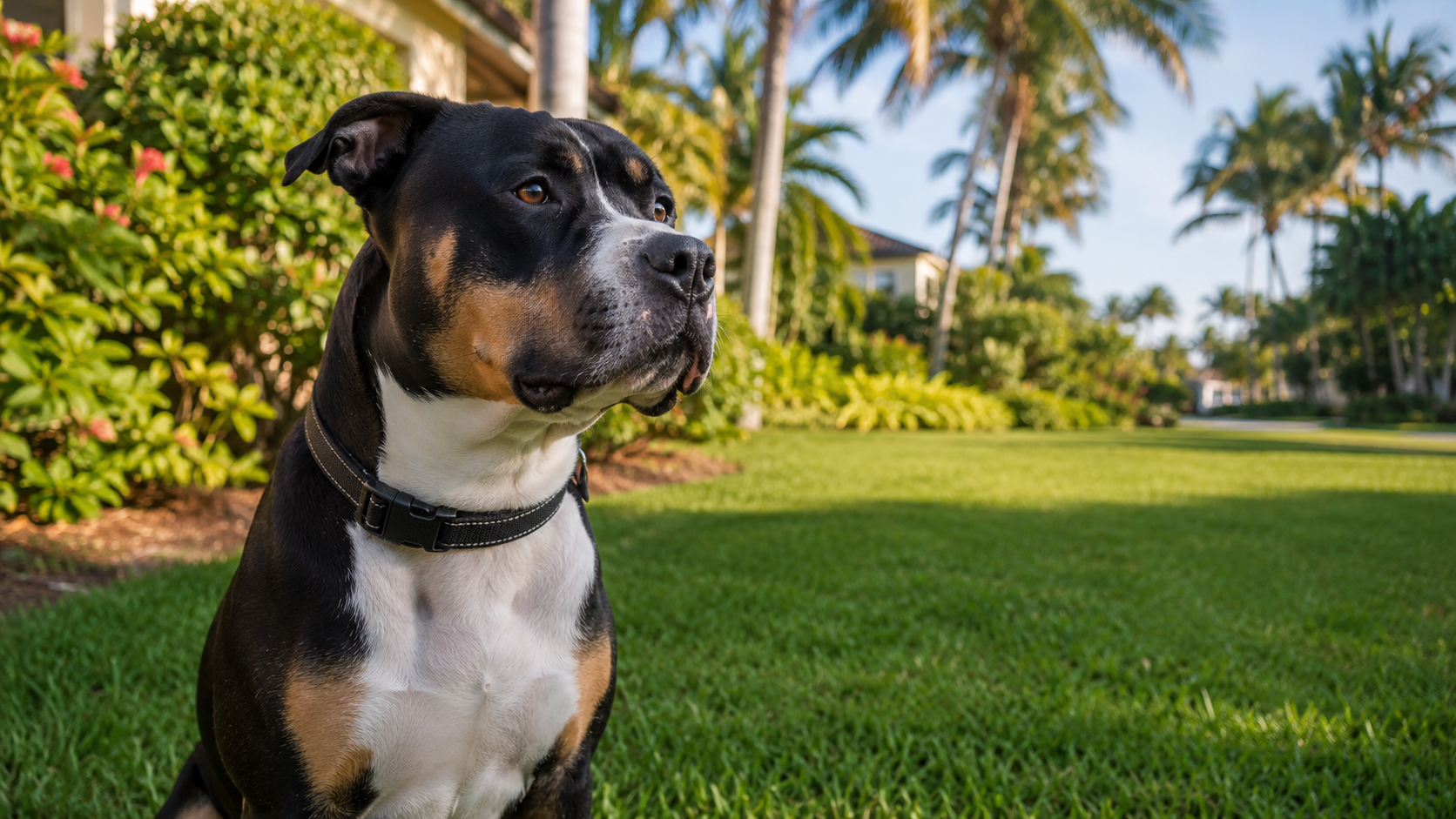
What Is the Behavior Actually Doing for the Dog?
Problem behavior is rarely random. Barking, pulling, whining, reactivity, and refusal often serve a purpose for the dog—whether that’s creating distance, gaining access, avoiding pressure, or finding relief. Learn how understanding what a behavior accomplishes can reveal the path to lasting change.
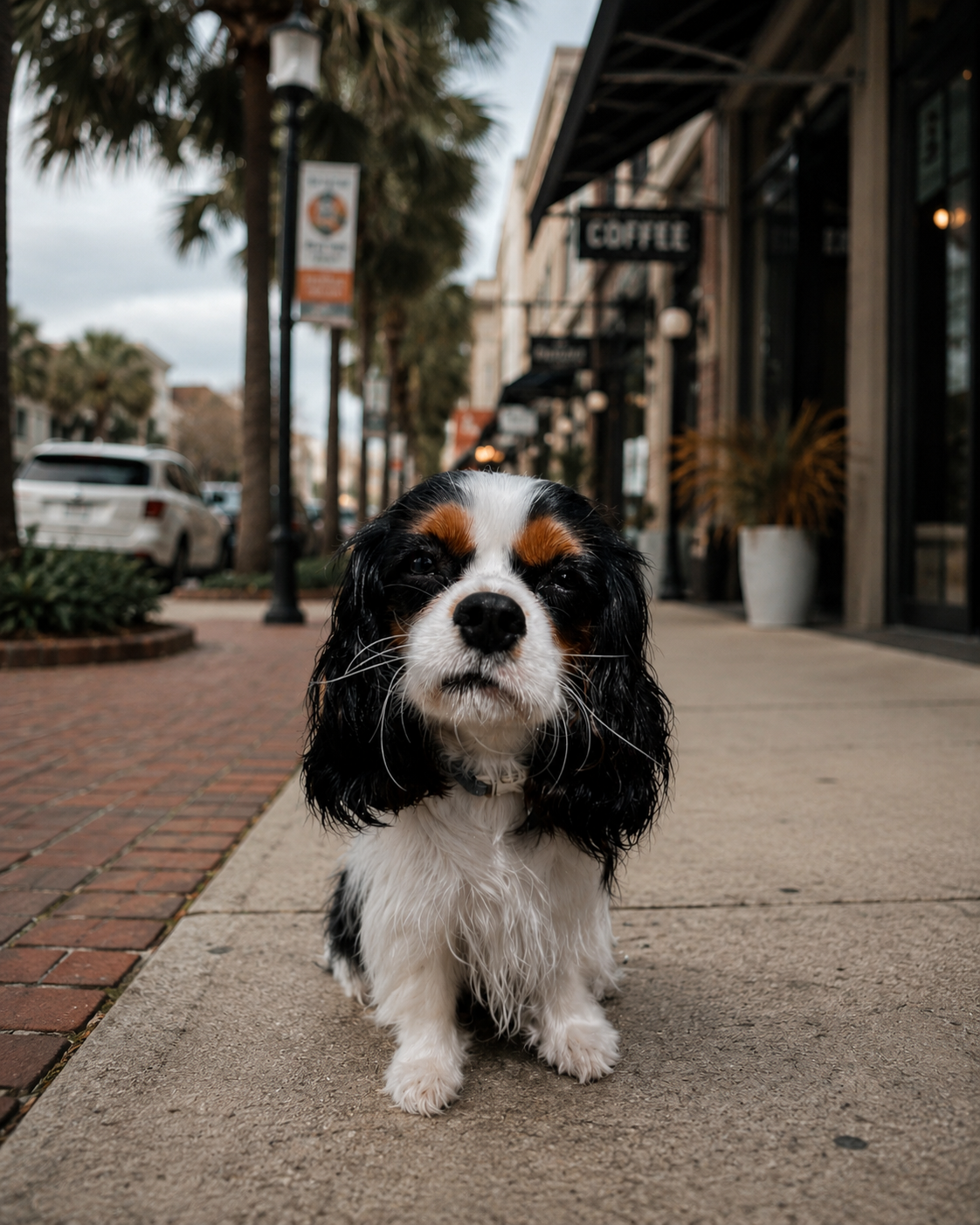
Knowledge Isn’t the Only Driving Force
Most dogs don’t struggle because they “don’t know” what to do. They struggle because behavior is driven by far more than knowledge alone. Emotion, instinct, impulse, environment, arousal, and competing motivations all influence decision-making — in both dogs and humans. Good training doesn’t deny reality. It accounts for it.

Not Every Dog Is Meant for the Farmer’s Market
Not every dog is built for crowded, high-stimulation environments—and that’s not a training failure. This post breaks down the difference between training and temperament, and how to build a fulfilled life for the dog you actually have.
WHY DOGS BECOME REACTIVE (IT’S NOT WHAT YOU THINK)
Reactivity in dogs is often driven by fear or over-arousal, but the real cause goes deeper than the moment of the reaction. Learn why dogs become reactive on leash and how daily structure, accountability, and leadership influence behavior long before the trigger appears.

Why You Can’t Fix Reactivity in the Moment
Most leash reactivity isn’t created on the walk—it’s built in the moments leading up to it. When you consistently reinforce calm, permission-based behavior at home, the explosive reactions outside start to fade.