


It Wasn’t the Dog Across the Street. It Was Everything Before It.
Sometimes the dog across the street isn’t the real reason for the reaction. Learn how stress, excitement, poor recovery, and accumulated arousal can quietly shrink a dog’s capacity until one small moment becomes the tipping point.

Why Recovery Matters More Than Avoidance
A reaction doesn’t tell the whole story. Learn why recovery is one of the clearest signs of progress in anxious, fearful, or reactive dogs—and how helping them return to neutral builds true resilience.
When Affection Helps—and When It Makes Anxiety Worse
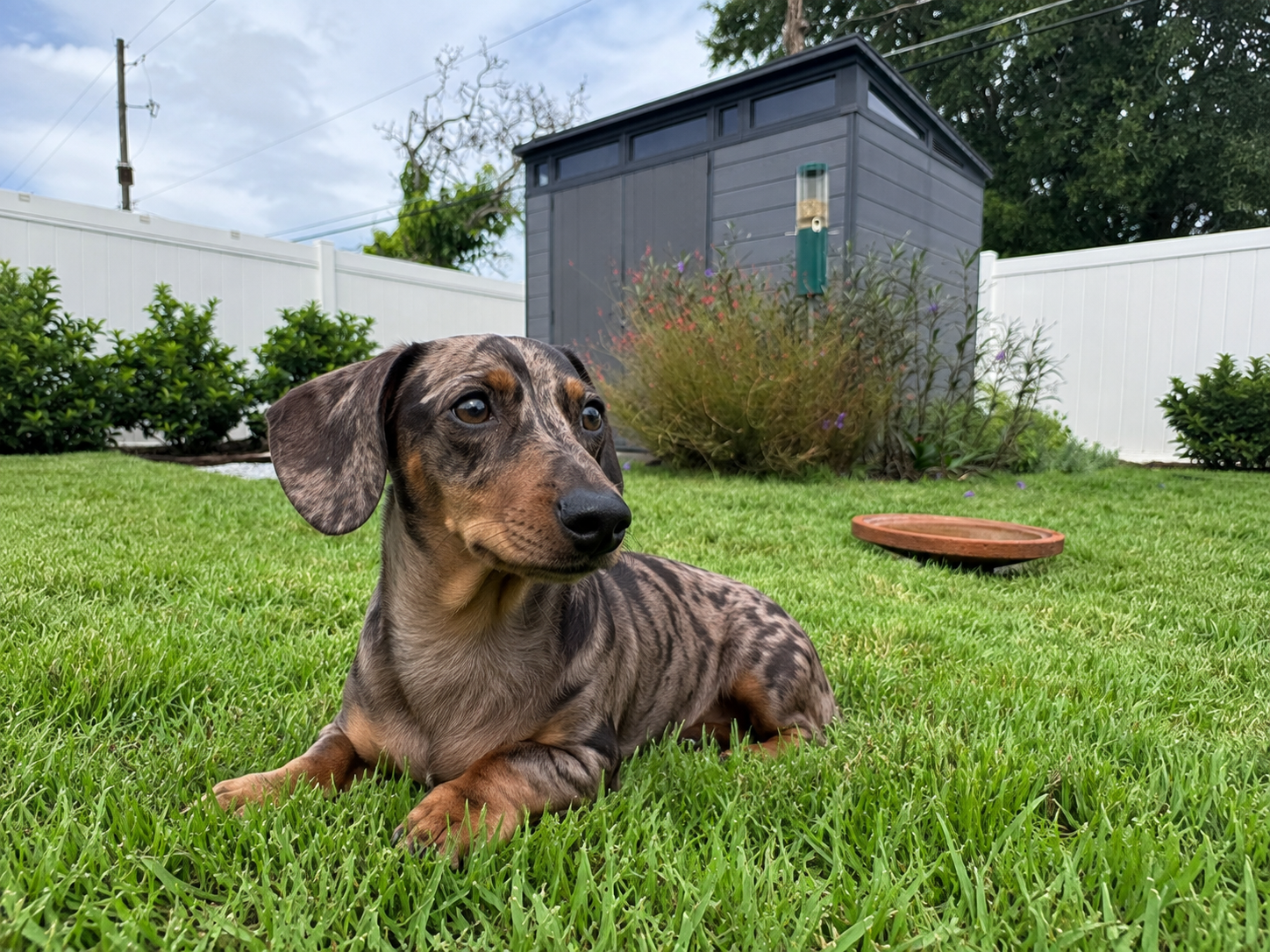
Merle Dachshund resting calmly in a Florida backyard, illustrating how affection should support emotional stability rather than rescue dogs from discomfort.

Why Calm Dogs Make Better Decisions
Your dog’s ability to listen isn’t determined by how many commands they know—it’s determined by the emotional state they’re in when you ask. Discover why calm dogs make better decisions and how emotional regulation unlocks reliable behavior, confidence, and lasting obedience.

How to Build Confidence in Your Dog (It’s Probably Not What You Think)
True confidence isn’t created through reassurance—it’s built through competence. Learn why structure, repetition, and small victories help dogs become resilient, capable, and genuinely confident.
Independence Is a Skill: Why Some Dogs Need More Opportunities to Practice Being Alone, Not Fewer
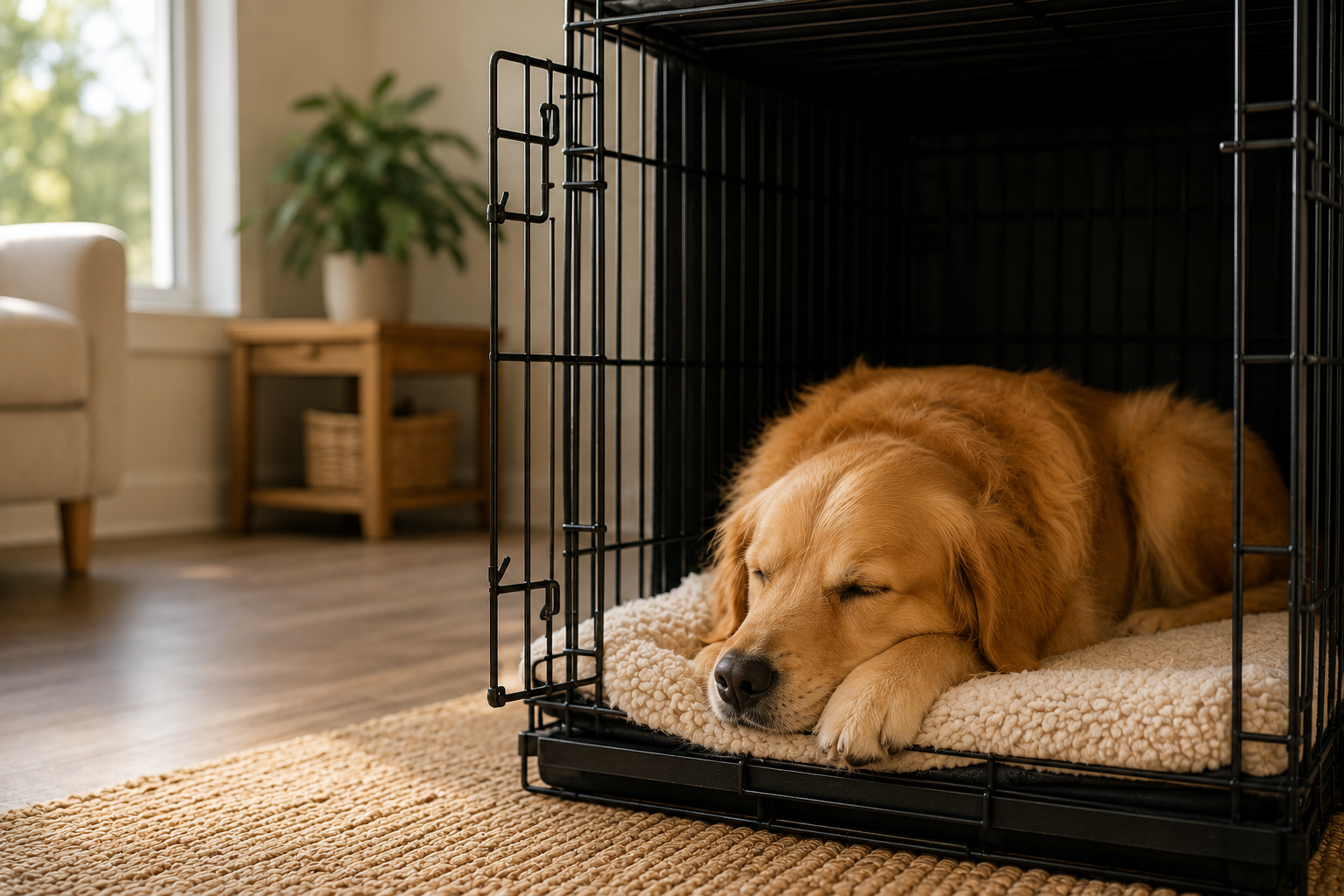
Not every dog that struggles alone needs less time alone. Sometimes, they simply need more opportunities to practice independence. Learn why healthy attachment is different from dependency and how dogs develop emotional resilience through learning to settle on their own.

Knowledge Isn’t the Only Driving Force
Most dogs don’t struggle because they “don’t know” what to do. They struggle because behavior is driven by far more than knowledge alone. Emotion, instinct, impulse, environment, arousal, and competing motivations all influence decision-making — in both dogs and humans. Good training doesn’t deny reality. It accounts for it.

Listening is a Lifestyle. Not a Lesson.
Most dogs don’t stop listening because they “forgot” their training. They stop listening because listening was never built into the rhythm of everyday life. Real obedience is shaped in the small moments — through structure, clarity, accountability, and consistent leadership long before commands are ever given.