
Compounded Focus
So many dog owners get stuck trying to correct that big explosive moment with their dog in the heat of the moment rather than stacking all of the little permission based exercises in order to prevent the reaction from ever happening.
So many dog owners get stuck trying to correct that big explosive moment with their dog in the heat of the moment rather than stacking all of the little permission based exercises in order to prevent the reaction from ever happening. One tiny Permission based exercise stacked on top of another, compounds to create a relationship built on respect. Each exercise bleeds into the next, building a solid foundation for your dog to make much better decisions. So your first step in addressing your dog’s leash reactivity is cultivating calm, impulse control.
- Start with his Crate Manners. Demanding that he be calm before being let out rather than bolting out of the crate door is the beginning. Use the door as your defense mechanism. Shut it abruptly if he tries charging out of it. Do not put the collar or leash on your dog until he is calm and sitting still. Patience is key. YOU must remain calm and do this when you have plenty of time to practice.
- Your next step is the Threshold Exercise. Make your dog wait in a seated position before walking out of the front door. Correct for any bad behavior here, before you ever leave the house. Repeat going in and out of the entrance until you get the behavior you desire. Your dog should be calm and focused on your movement. If he isn't, your correction wasn't believable enough for him to not want to charge through the door again.
- Once he is calmly sitting before he steps our of the house, now you’re set for the Structure Walk. 90% of the time he is in heal, looking to you for guidance. 10 % is left for him to nose around or mark. This 10% is only allowed through your release command.
Now you have a Compounded Focus on the rules and boundaries that can be used to diffuse that explosive moment you tried addressing at its most powerful state. When Permission Based Exercises are practiced daily, you will soon see your dog’s leash reactivity isn’t the explosion it used to be.
Capping Intensification
One of the best ways to prevent an ugly situation from ever occurring with your dog is by addressing any shift in behavior at its lowest level of interest, (ears perked forward, closed mouth, crinkled forehead, a glance away from you), before it has chance to escalate into something that cannot be reversed.
One of the best ways to prevent an ugly situation from ever occurring with your dog is by addressing any shift in behavior at its lowest level of interest, (ears perked forward, closed mouth, crinkled forehead, a glance away from you), before it has chance to escalate into something that cannot be reversed. Timing is of utmost importance. A split second can either cap the behavior from escalating even further, or make it worse. Seeing theses signs that lead up to a moment of aggression, growling, guarding, or taking off after the cat, before they actually happen, and giving a firm enough correction at just the right intensity is clutch. A split second too late, and you may find yourself chasing the bad behavior in frustration, making matters worse, and even better yet, risking the chance of your dog redirecting onto you. Seeing these signs in your dog just takes practice.
Ruebyn used to charge the TV whenever he saw something he felt was threatening on screen. It ranged from another dog, to a horse, to sheep, any animal for that matter, but also certain human beings, or helicopters, motorcycles, to airplanes. Okay, just about everything! It was adorable when he was 6lbs. Aww look, he’s smart, he recognizes animals and people on TV! Hah! When he grew up and is attention to detail blossomed into a full blown attack towards the mounted electric fireplace, the behavior obviously needed to be addressed. Through careful observation of even the slightest adjustment in interest from him, I was able to cap his state of mind in the split second before his interest exploded. Done. Explosion diffused before it had the chance to ignite.
Study every minute, subtle difference in your dog’s focus from you, to what is diverting his attention away. This is where a “tap on the shoulder” is necessary to regain your dog’s focus back to you before it escalates. Focus on those subtle changes in behavior that consistently show up every single time he has an incident. If we can learn to address the small transgressions at just the right time and intensity, chances are they will never turn into nasty ones!
"NO" is not Abuse.
If there isn’t a “NO” in your conversation with your badly misbehaved dog, then you are reinforcing whatever behavior she is currently exhibiting.
If there isn’t a “NO” in your conversation with your badly misbehaved dog, then you are reinforcing whatever behavior she is currently exhibiting. Ignoring the bad behavior is equivalent to verbal praise and reward. “NO” provides clarity when met with a significant enough correction to stop the behavior from occurring again. Ignoring bad behavior, hoping that it will go away on it’s own, or your dog will eventually grow out of it, is allowance. If your dog chews your underwear, your shoes, your socks, the couch, it’s because you allowed it. If she lunges at people or other dogs, you allowed it. If she runs away from you when called, you allowed it. If she charges the door, or just snagged your sandwich from the table, you allowed it. Providing a correction is not abuse. It is clear information your dog needs to perform at her highest level. Without the “No’s” there will always be something missing from the learning equation. Teaching your dog 95% of the time to do what we want, and providing a clear enough consequence for what we don’t the other 5% of the time, helps your dog navigate the world more safely. A dog that is allowed to do whatever it is she feels in the moment, in the absence of consequences, is a dog that will eventually rule your roost, acting on impulse alone. Dogs need order and structure. Without it, you can guarantee chaos. “No’s” are a necessary ingredient for establishing respect. When you create a relationship based in leadership, structure, and accountability, your dog will become more comfortable, and his behavior will change instantly.
Human Negligence
Human negligence is causing the euthanasia epidemic we are seeing in our country. Dogs fall victim to human ignorance, thoughtlessness, and poor management on a daily basis. A lack of realizing the importance of discipline, order, and obedience training can turn a remarkable dog with an immense capacity for companionship into a destructive, aggressive, or hyper annoyance the next.
Human negligence is causing the euthanasia epidemic we are seeing in our country. Dogs fall victim to human ignorance, thoughtlessness, and poor management on a daily basis. A lack of realizing the importance of discipline, order, and obedience training can turn a remarkable dog with an immense capacity for companionship into a destructive, aggressive, or hyper annoyance the next. It is this staggering irresponsibility that is killing 5 million adult dogs and puppies on a yearly basis. Instead of investing the time it takes to avert bad behavior before it has a chance to manifest, owners are quick to give their dog’s up due to the now substantial time and financial investment needed to reverse the behavioral problem. Dog ownership is a 10-16 year commitment to managing a healthy, structured relationship. This has the potential to enrich all lives involved. Deciding to add a dog to your family isn’t something to be taken lightly. You can’t just bring a dog home and expect it to know how to navigate through life without leadership. The relationship requires a willingness to invest time and energy in training, before any dangerous or destructive issues have a chance to begin. This investment is one well worth the effort with the enormous bond that can be cultivated when respect between species is practiced regularly.
Where Does the Barbarity Lie?
Dog training tools, such as the Prong Collar or E-Collar, are not evil or inhumane. Only the energy and intent behind the tool can be labeled as such.
Training collars, the prong or e-collar, are not barbaric, inhumane, or evil. When used responsibly, they are the gentlest form of communication between the handler and the dog. People that slap training collars on dogs and expect the tools to instantly change behavior through compulsion are doing it completely wrong. Training trains the dog, not the tool. The energy, and the intent behind the tool is what is most important. Just like any other dog training tool, the crate, the slip lead, etc, all can be used with nefarious intent. It is the trainer’s responsibility to ensure the tools are merely a means of communication, a tap on the shoulder, to regain focus on the task at hand. Conditioned obedience training using low pressure sensation to teach the dog how to turn it off is not evil, inhumane, or abusive. It’s a quiet, repetitive conversation, that over time, becomes engrained behavior. If a louder conversation is necessary due to unacceptable, dangerous behavior, I would rather my dog be clear on what is or isn’t acceptable in that split second, rather than risk his or another human or dog’s safety. Rules need clear believability. Ask yourself, what’s more inhumane, leaving your dog in a constant state of anxiety where he feels he has to react to anything and everything in his environment, or conditioning him to relax and chill out with tools that effectively communicate this?
Keeping Your Cool
One of the hardest skills to master, at least for myself, was keeping my cool when things get hairy with my dogs.
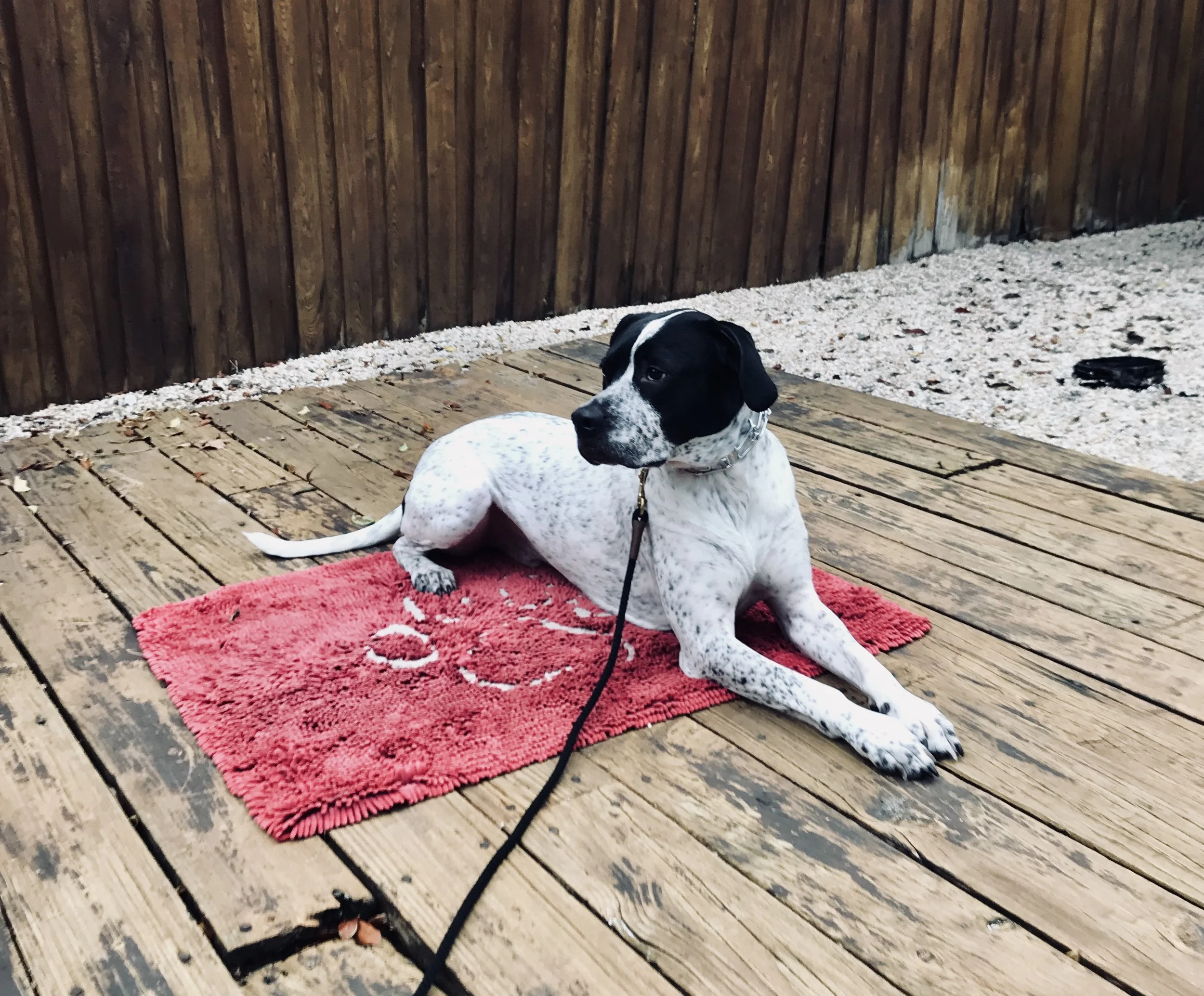
One of the hardest skills to master, at least for myself, was keeping my cool when things get hairy with my dogs. Not freaking out when they embarrassed me because they were misbehaving, badly, again. One of the funniest scenes from the movie Best In Show, always comes to mind for me when I think back on how I would overreact whenever it was time to pack the dogs up for a road trip. In the movie, there’s a couple who’s prize Weimaraner starts having a meltdown backstage and they can’t get it to calm down. Making matters worse, the female owner freaks out about her dog not having its busy-bee, “where’s the f*@*ing busy-bee” because the stuffed animal will make everything okay, mmm-hmmm. Well you guessed it, the Weimy ends up biting the judge, thereby disqualifying him from the competition all together. I could see a little of myself in that owner when I look back a couple of years ago. I was freaked out, overwhelmed, and even panicked when the dogs were manic inside of my car, believing that raising my voice to the highest octave was going to somehow soothe them into submission. It took a whole lot of practice, study, and personal development to get to that place where my emotion stays neutral while training. It is essential if you are to be effective. Correcting when relaxed and confident is the best way to deliver the information you’re trying to convey to your dog. If you have personal baggage, or are emotionally off even by the slightest, your dogs will sense it, and it will only escalate their state of mind, making matters much, much worse. So take a deep breath, find your center, clear your mind, and start from the very beginning. Raising your voice only escalates an already pressure-filled situation. Take your time! You will find your message will be much clearer for your dog. This picture speaks a thousand words. Oh, if I only had a before picture for you guys to see the turnaround. I am so proud of these guys. Thanksgiving is going to be a wonderfully Calm, peaceful trip, and one that I will forever be thankful to Jeff Gellman and Sean O’Shea for showing me the light.
A Dog Trainer’s Dilemma
When finally reunited with your dog after a board an train, you can expect to see that nothing has changed in regards to his behavior and the relationship he remembers with you.
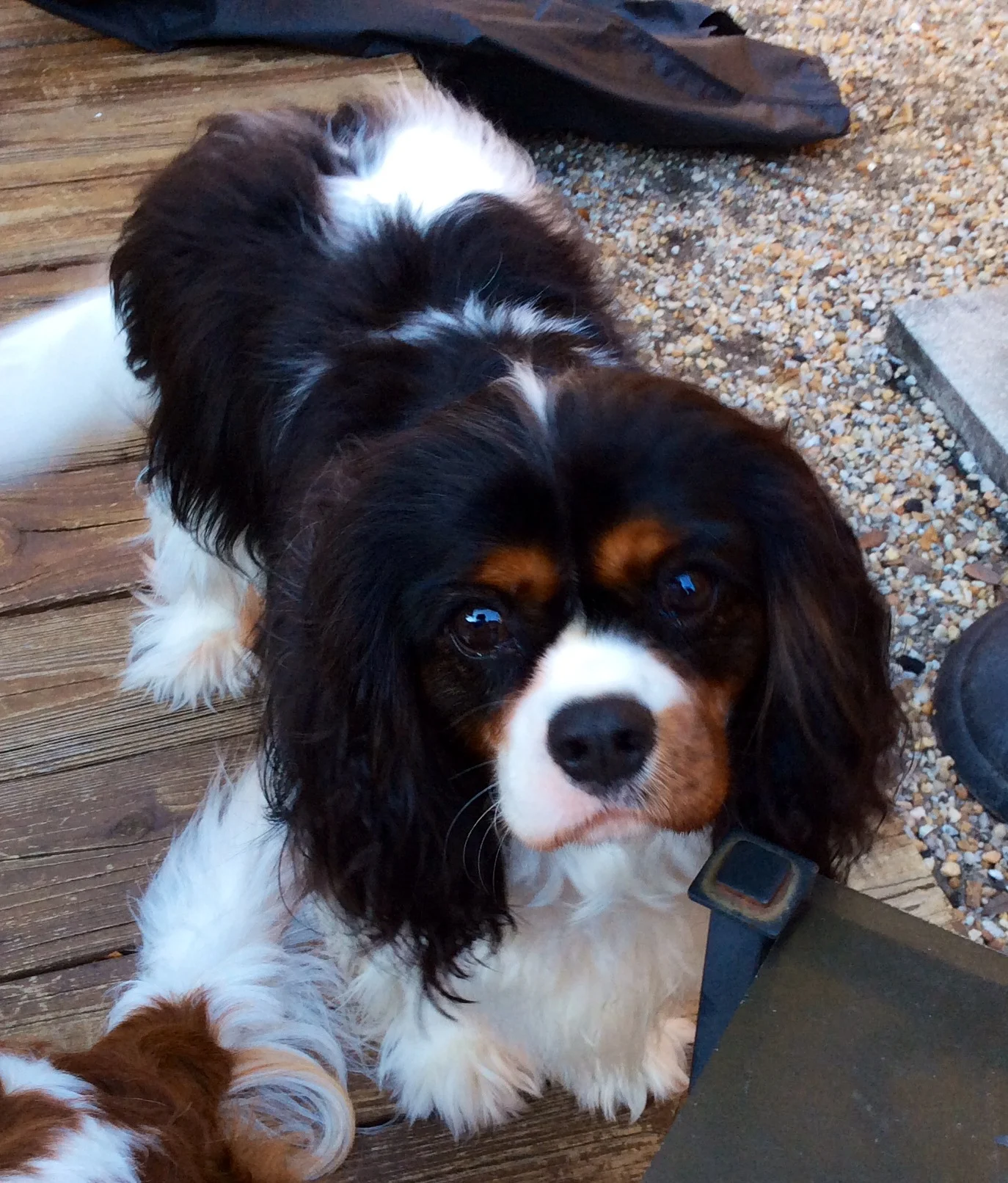
When finally reunited with your dog after a board an train, you can expect to see that nothing has changed in regards to his behavior and the relationship he remembers with you. That well-trained dog you’ve been watching via your social media feed could turn right back into that crazed, hyperactive, freaked out dog you sent away. Whatever that relationship was before his training, his association with you was built on what was allowed in the past. Every interaction was either rewarded or perhaps ignored, based on what you asked for and then indirectly reinforced. Each tiny little morsel of information that you provided stacked up to create what you are experiencing today. If he jumped on guests, you allowed it. If he barked incessantly, you allowed it. If he pulled on the leash, you allowed it. If he growled when you grabbed his toy, you allowed it. If he ran out the door and didn’t come when called, you allowed it. Of course you would never encourage your dog to misbehave again, but it is up to you to become the leader your dog needs to become his best self. You will need to reprogram how your dog feels about you.
You will need to cultivate a new relationship that consists of structure, rules, boundaries, and consistent training. There can no longer be a gray area of communication. When rules are unclear and not met with consistent consequence, your dog will take advantage. Your dog knows whether or not you mean business of if you’re a sucker. If the latter is the case, slowly he will slide back into the bad behavior you originally reached out for help with. We trainers can always build that healthy foundation that guides your dog to make better decisions, but it is you, the person he lives with 24/7, that will need to enforce these rules daily so that the changes remain permanent. Training is your lifestyle. We can show you the tools, and how to use them, and set you up for success, but only you can rebuild your relationship.
So take your trainers advice, listen, do your homework, then enforce the rules he/she has provided for your dog. Training starts the second you all wake up until the minute you go to bed. Your investment in your dog’s well-being is a life long endeavor. To get the most out of your new relationship it will take an equal balance of both affection and accountability. If one outweighs the other, you can expect fallout to occur. It may sound like a lot of work, but with your dedication and commitment to providing the best life for your dog, you will reap the reward at the end of each day, having those fun, goofy guys to play with, and the ability to shut off the excitement with a simple command. That my folks, is where the magic is at!
When Abuse Becomes Our Excuse
Feeling sorry for your dog should not be the reason to withhold structure because “he’s been through so much already.” Your dog needs a healthy future filled with accountability, rules, and boundaries that convince him that he no longer needs to make all of the decisions on his own.

When Abuse Becomes Our Excuse
Porter, AKA: Pooty, is a rescue from a backyard breeder that didn’t want to incur the cost of his medical expenses needed to get this guy healthy. He was a sickly dog with massive ear infections, an eye infection, and cryptorchidism. Add to this, being unsocialized with humans or dogs for the first year of his life. All of his interactions and decisions were based on his fear and anxiety. His eyes were in a constant bulge of distrust whenever a hand came too near. Oh how this poor little dude found the jackpot with me! He couldn’t have found a more loving, caring, responsible owner! Or so I thought.
I carried his story of neglect around with us everywhere! Massive amounts of affection were given at every instance of insecurity, promising him reliability from me. Sweet talking and coddling this boy is what I did best. And boy did he want to please me. At my every step, my little shadow-dog followed me room to room. He was fantastic at at obedience. My new bestie!
So what’s the problem you ask? Well let me tell you... A couple of years without structure or boundaries because I didn’t want to hurt Porter’s feelings more than he’d already been hurt, ended up rearing its ugly head in every instance of unfamiliarity for him. The doorbell meant bloody murder, house guest forewarned to never come through the door, mailman best stay outside, cat wandering past the Florida window was tonight’s RAW meal, crying, whining, barking, growling, fence fighting, car rides: forget about it, walking down the street: aggressive reactivity towards humans and dogs. What!? Cavaliers don’t act like that! My poor, sweet Porter, was now my most badly behaved dog EVER! I couldn’t do anything with him outside of the house or have friends and family over without him going completely bananas. This was no way to live folks!
So how did this all change? I changed my relationship from nurturer to Leader. I realized I was allowing Porter to make his own decisions when it came to something that makes him scared. Too much of the soft stuff only exacerbated his unhealthy issues. Because Porter’s nervousness overpowered his ability to make polite decisions, he was lashing out at quick movements, growling at strangers, and constantly whining. By setting up rules, boundaries, and structure, and moving from a place of feeling sorry for, or making excuses for, we were able to move forward to a healthier state of mind.
You see, holding onto Porter’s past was actually more harmful than the neglect he experienced itself. Moving forward as a leader, with rules and accountability for bad behavior, actually paved the way towards progress.
Feeling sorry for your dog should not be the reason to withhold structure because “he’s been through so much already.” Your dog needs a healthy future filled with accountability, rules, and boundaries that convince him that he no longer needs to make all of the decisions on his own. He has a Leader that loves him more than his story. You may want to ask yourself this: is it more abusive to let a dog continue on in a nervous, anxious state of mind because you feel sorry for him, or provide him with rules and structure that will free his mind from those very feelings? Letting Porter know “No” it’s not okay to act that way, I’ve got you, stop worrying about it, has drastically changed this nervous-Nelly’s state of mind. He is now able to just exist around other dogs and people without fearing for his life. That’s all we ever want for our guys, right? Balance and peace of mind!
Your Dog is Your Mirror
If your dog is exhibiting any behavioral issues, chances are you may want to take a good look in the mirror.
Your Dog is Your Mirror:
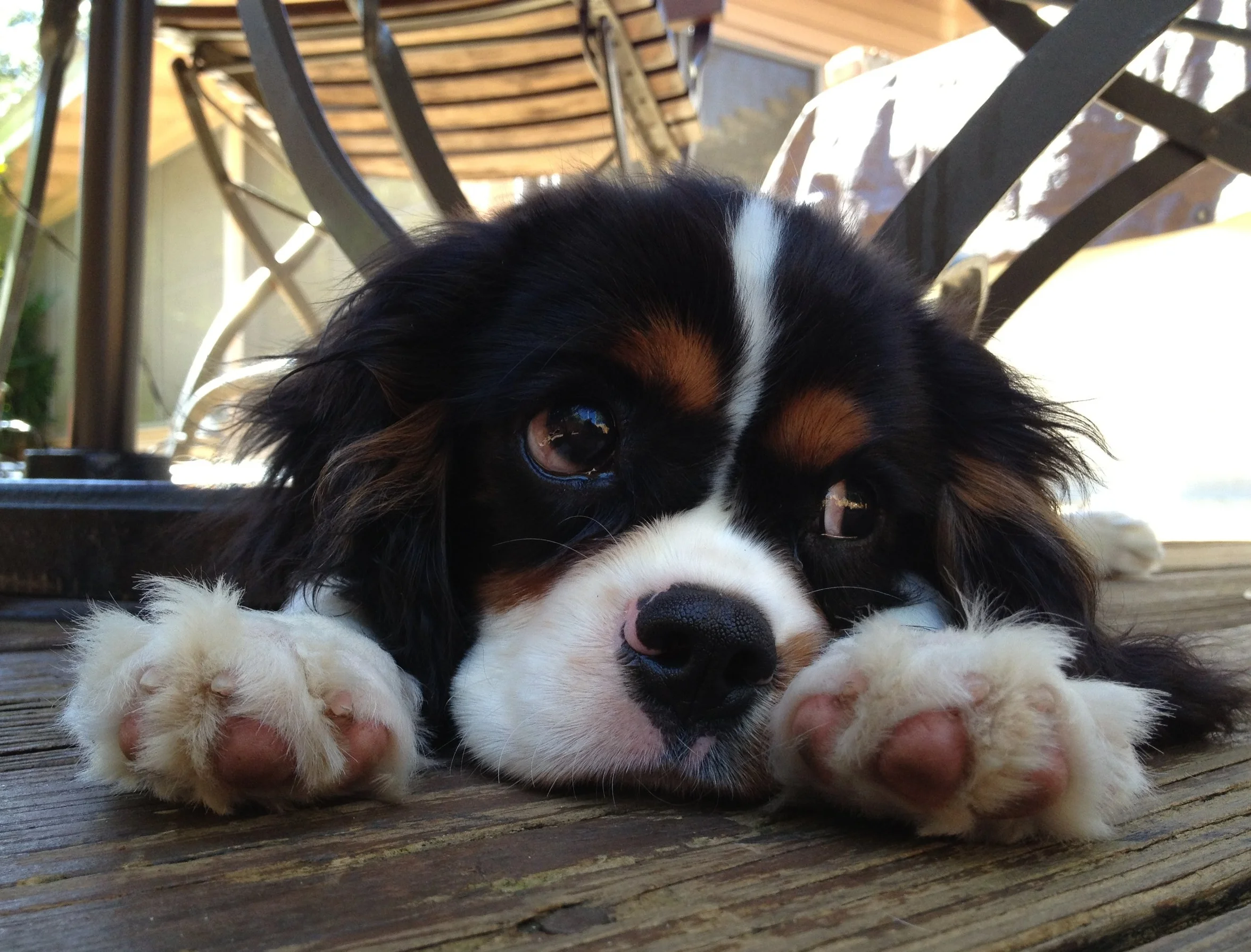
Have you ever been forced into a situation where you had to spend your day with a person that was impatient, negative, anxious, unsettled, quick tempered, insecure, stressed, or always worried? Can you imagine the difference you would feel if that person were positive, happy, calm, confident, and patient? Now imagine how your dog feels when confronted with the same two situations. Which person do you think he would follow? If your dog is exhibiting any behavioral issues, chances are you may want to take a good look in the mirror. If your dog seems uncomfortable, stressed, or agitated, this is his expression of the surroundings you have created for him. His expression is a direct reflection of what you are putting out. If there is any imbalance at all within yourself, be assured your dog will pick it up and take that leadership role into his own hands.
It’s no wonder my dogs exhibited separation anxiety, manic insecurity on the walk, and obscene barking at the chance meeting of a stranger. I was one of those people that was cripplingly shy, constantly worried about what others thought of me, and a perfect cynic. I was always looking at the dark side of things, with little hope for the world we live in. Why the heck would my dogs look to me for guidance! Once my mindset started to shift ever so slightly, through daily affirmation and massive focus on personal development, I regained the confidence needed to take charge of my life and surroundings. My dogs finally looked to me for guidance.
So the next time you feel like your dog is just plain stupid and doesn’t want to listen, you may want to take a good look in the mirror and ask yourself if you would follow you.
Calm On Command
So why so much focus on creating CALM with our dogs? Aren’t they supposed to have fun and run around like little maniacs? Creating Calm On Command can have a major impact on arousal and anxiety issues.
Why so much focus on creating CALM with our dogs? Aren’t they supposed to have fun and run around like little maniacs? Creating Calm On Command can have a major impact on arousal and anxiety issues. By changing the overall state of mind of the dog, he will be able to make great choices, showing his best behavior.
Most dog owners are all too familiar with pets that are in a constant state of arousal. Arousal in our dogs can oftentimes be confused with excitement and happiness. When there is no on/off button to press, arousal can perpetuate really bad decision making, such as escalation into a dog fight, biting, charging the door, or barking incessantly at the cat passing by the window.
Anxiety, on the other hand, comes in the form of heavy panting, shaking, drooling, whining, barking, or destroying your household items. An anxious dog doesn't have the ability to make good decisions either. Oftentimes, dog owners tend to feel bad for dogs in this mental state, and offer affection to sooth and comfort, Unfortunately, dogs see affection as a reward, and this then creates more of the same unwanted behavior.
So how do we cultivate Calm On Command? The Place Command is great place to start. Place encourages relaxation and impulse control. We trainers like to call it puppy meditation due to its ability to transform the dog's state of mind. It helps condition the dog to be relaxed. Giving your dog a non-negotiable task to perform, allows him to focus. Soon you see all of the arousal and anxiety dissipate, allowing for your best dog to shine through.
All of those dogs you see charging the door, barking at guests, pacing in the crate, or whining, are in a constant unhealthy mental state. It's actually unfair to the dog to allow the behavior to continue. Having that on/off switch is clutch in cultivating that healthy dog we all want to be a part of the family!
So my story on creating Calm began with the inability to take my pack anywhere out in public. Porter would scream as soon as the keys jingled. Pulling the parking brake in my Jeep, forget about it! I had three hairy maniacs going completely bazerk! Porter and Harlow teamed up to let any guest know that they weren't welcome! Barking and growling at the slightest knock at the door was inevitable. If you could have seen how unstable my pack was, you would have laughed, or just not come over! Implementing the Place command on a daily basis when I'm cooking, working, reading, or cleaning has really transformed my house to one that is totally Calm. Reading and training with some of the world's best dog trainers, has inspired me to help others that may be enduring the same, or similar circumstances.
So I'm telling you, Place is where the magic is at!