

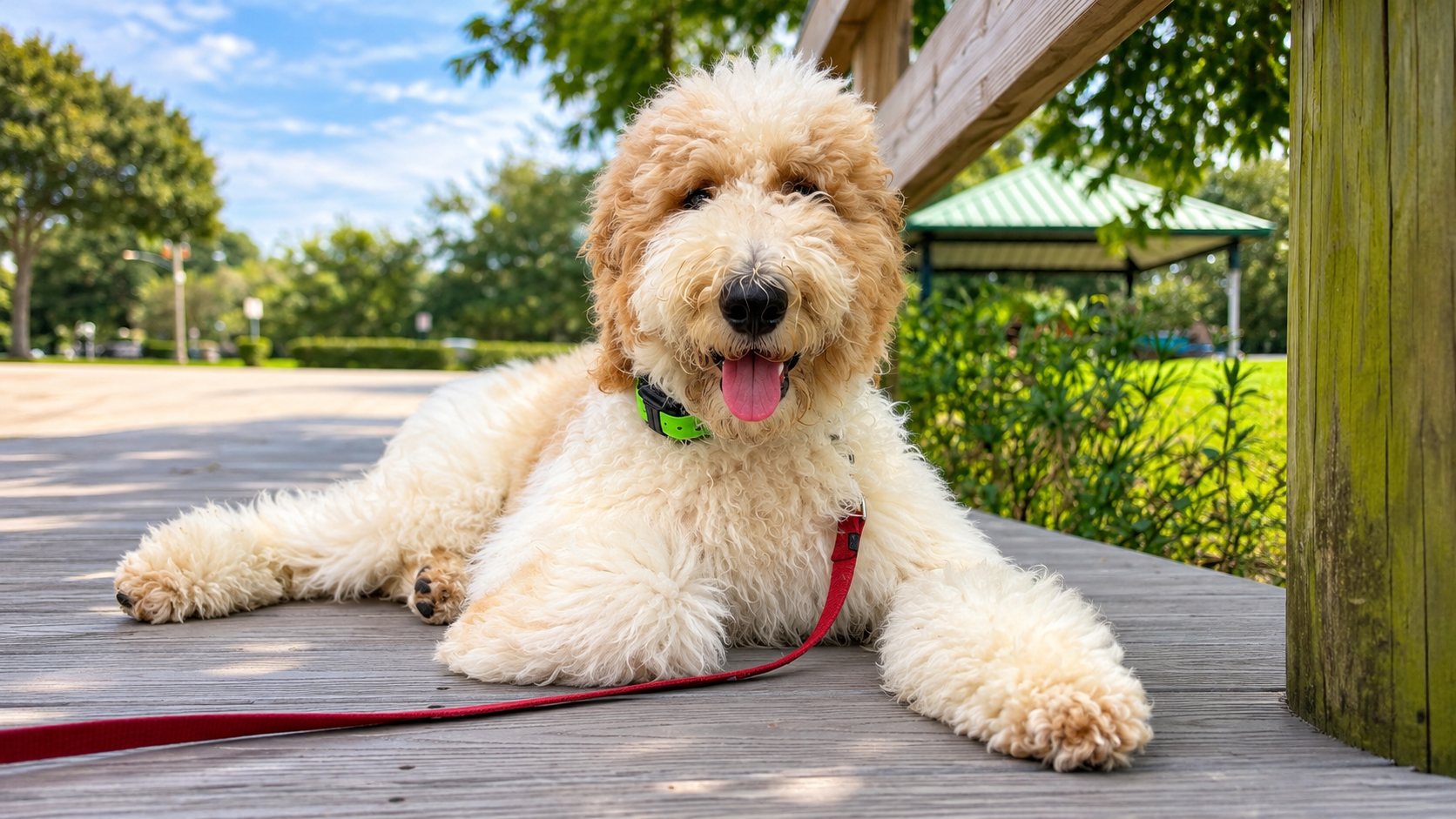
When Helping Becomes Interfering
Sometimes our desire to help becomes the very thing standing in the way of independence. Discover how constant direction can create unnecessary dependence, why effective leadership doesn’t require constant involvement, and the value of knowing when to step aside.
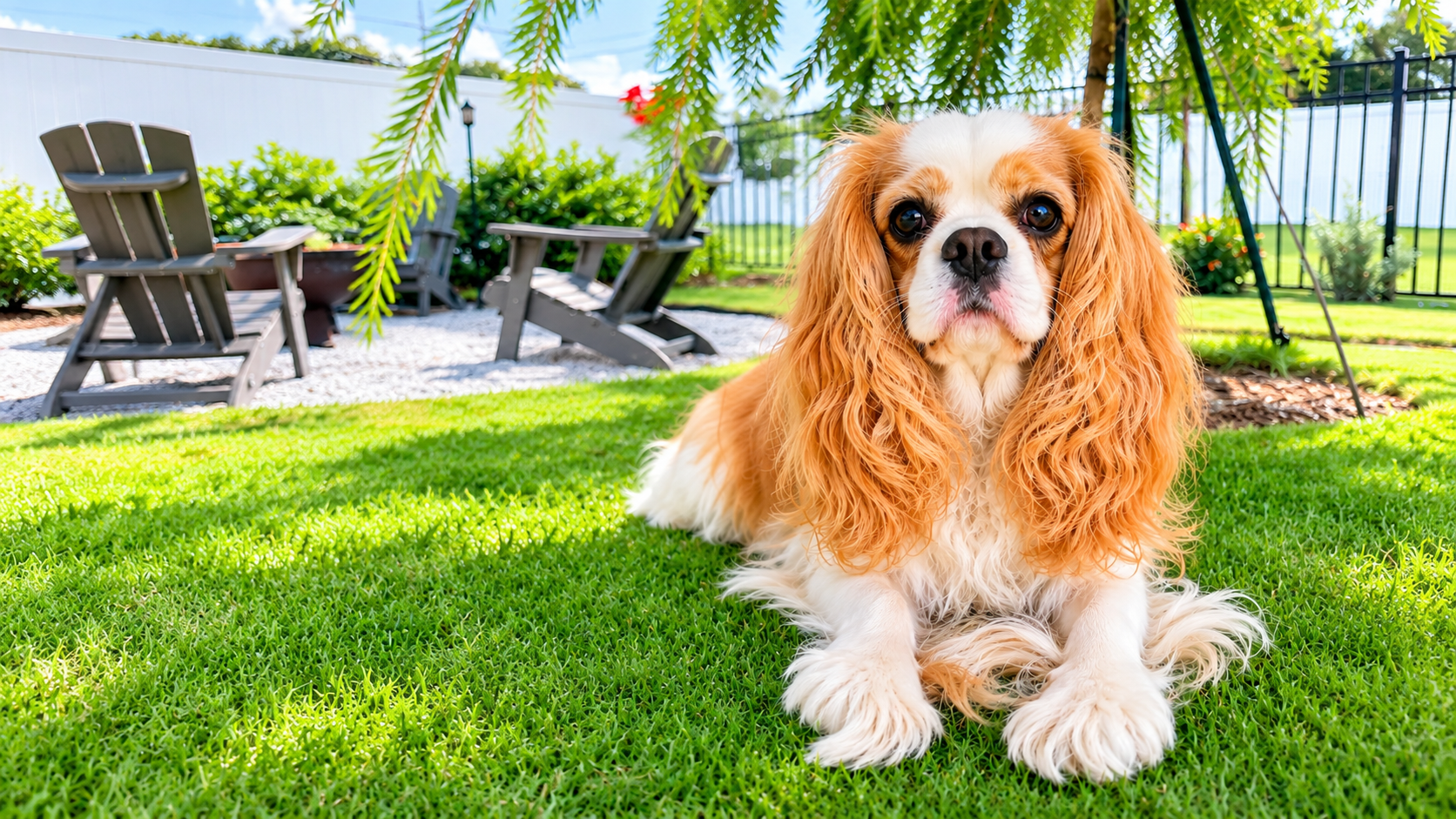
Sometimes Is the Hardest Habit to Break
Sometimes is all it takes to keep a stubborn behavior alive. Learn why inconsistent follow-through can make dogs try harder, persist longer, and keep testing—and why clarity is what finally helps an old pattern fade.
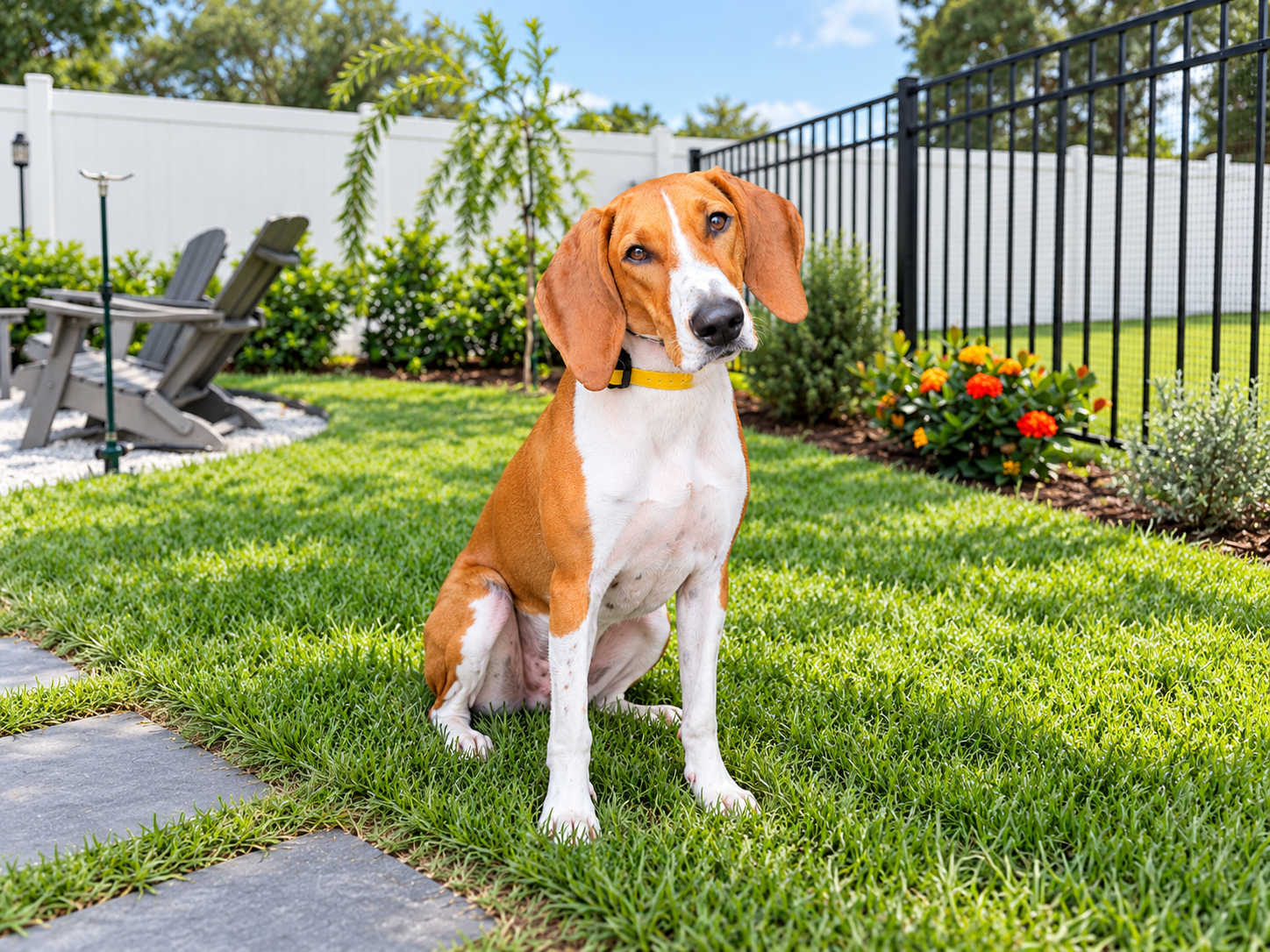
Without Consequence, There Is No Reason to Change
Consequences are not the opposite of compassion. Learn why fair, relevant cause and effect helps dogs understand boundaries, make better choices, and build safer, more reliable behavior.

Training Can Open the Door. The Owner Has to Walk Through It.
A trainer can teach the dog, create the foundation, and show you exactly what works—but lasting change depends on what happens after the leash changes hands. Training can open the door. The owner has to walk through it.

Socialization Doesn’t Mean Saying Hello
Socialization isn’t about teaching your dog to greet everyone. Learn why healthy exposure builds neutrality, confidence, and emotional regulation—and why a well-socialized dog can notice the world without feeling responsible for responding to all of it.

It Wasn’t the Dog Across the Street. It Was Everything Before It.
Sometimes the dog across the street isn’t the real reason for the reaction. Learn how stress, excitement, poor recovery, and accumulated arousal can quietly shrink a dog’s capacity until one small moment becomes the tipping point.

Why Recovery Matters More Than Avoidance
A reaction doesn’t tell the whole story. Learn why recovery is one of the clearest signs of progress in anxious, fearful, or reactive dogs—and how helping them return to neutral builds true resilience.

When Training Philosophy Becomes Identity: Put the Dog Back in the Center
When training philosophy becomes identity, the dog can get lost in the debate. Here’s why no single method should matter more than the individual dog, the outcome, and what they actually need.

You Don’t Have to Become Hard. You Have to Become Clear.
You don’t have to become colder, harsher, or more controlling to lead your dog well. Learn why clarity, consistency, and calm follow-through create more security than frustration, repetition, or emotional intensity ever could.

What Is the Behavior Actually Doing for the Dog?
Problem behavior is rarely random. Barking, pulling, whining, reactivity, and refusal often serve a purpose for the dog—whether that’s creating distance, gaining access, avoiding pressure, or finding relief. Learn how understanding what a behavior accomplishes can reveal the path to lasting change.

When Affection Helps—and When It Makes Anxiety Worse
Merle Dachshund resting calmly in a Florida backyard, illustrating how affection should support emotional stability rather than rescue dogs from discomfort.

Anxiety and Hyperactivity Aren’t Solved by Doing More
Anxiety and hyperactivity are not always signs that a dog needs more exercise. Learn how structure, predictable routines, frustration tolerance, emotional regulation, and clear leadership help restless dogs develop a true off switch.

Why Obedience Alone Isn’t Enough for Lasting Behavior Change
A dog can know every command and still struggle with anxiety, reactivity, frustration, or over-arousal. Lasting behavior change happens when obedience is paired with emotional regulation, helping dogs become not only more reliable, but calmer, more confident, and better equipped to handle everyday life.

How to Choose a Reputable Dog Trainer in Central Florida
Choosing the right dog trainer is about more than comparing prices or promises. Learn what to look for, which questions to ask, and how to find a Central Florida trainer whose methods, environment, and expectations align with the kind of life you want to build with your dog.

Sweet Isn’t Necessarily Considerate: Understanding the Socially Reckless Dog
Some dogs are affectionate and well-intentioned but move through the world without awareness, restraint, or consideration. Discover why socially reckless behavior is often driven by insecurity—and why teaching stillness may be the key to lasting emotional regulation.

Why Calm Dogs Make Better Decisions
Your dog’s ability to listen isn’t determined by how many commands they know—it’s determined by the emotional state they’re in when you ask. Discover why calm dogs make better decisions and how emotional regulation unlocks reliable behavior, confidence, and lasting obedience.

How to Build Confidence in Your Dog (It’s Probably Not What You Think)
True confidence isn’t created through reassurance—it’s built through competence. Learn why structure, repetition, and small victories help dogs become resilient, capable, and genuinely confident.

Independence Is a Skill: Why Some Dogs Need More Opportunities to Practice Being Alone, Not Fewer
Not every dog that struggles alone needs less time alone. Sometimes, they simply need more opportunities to practice independence. Learn why healthy attachment is different from dependency and how dogs develop emotional resilience through learning to settle on their own.

You’re Not Just Raising A Puppy—You’re Shaping A Nervous System
Every experience is shaping who your puppy will become. Learn why emotional regulation, confidence, and leadership matter just as much as obedience during the first year of life.

Why Structure Creates Confidence
Many anxious dogs aren’t stressed because they have too many rules. They’re stressed because they have too many unanswered questions. Discover why structure, predictability, and clear expectations create confidence, emotional stability, and peace.